
Facts & Resources
Facts & Resources
Evidence-based information and advocacy tools to advance PMDD policy.
Understanding PMDD
What Is PMDD?
What Is PMDD?
PMDD is a severe premenstrual disorder characterized by debilitating emotional, behavioral, and physical symptoms that emerge during the luteal phase of the menstrual cycle (the one to two weeks before menstruation) and improve within a few days after menstruation begins. Unlike ordinary premenstrual symptoms, PMDD causes significant functional impairment — disrupting work, relationships, and daily life. It is recognized as a depressive disorder in the Diagnostic and Statistical Manual of Mental Disorders (DSM-5).
Diagnostic Criteria
Diagnosis is based on the cyclical timing, severity, and nature of symptoms, confirmed through prospective daily symptom tracking over at least two menstrual cycles. A provisional diagnosis may be made before tracking is complete. DSM-5 criteria specify that at least five symptoms, including at least one core mood symptom, must occur during the final week before menstruation, improve within a few days after menstrual onset, and become minimal or absent during the following week. Core symptoms include marked mood changes, irritability or anger, depressed mood, and anxiety or tension. Symptoms must cause clinically significant distress or functional impairment and cannot merely reflect the premenstrual worsening of another disorder.
Current Treatment Landscape
Evidence-based treatments include selective serotonin reuptake inhibitors (SSRIs), which may be prescribed continuously or intermittently, and certain combined hormonal contraceptives. Cognitive behavioral therapy (CBT) and Dialectical Behavioral Therapy (DBT) can also help manage symptoms. For severe, treatment-resistant PMDD, additional options include medications that suppress ovarian hormone cycling, such as gonadotropin-releasing hormone (GnRH) agonists, generally prescribed with hormonal add-back therapy. Some may choose to undergo an oophorectomy — the removal of the ovaries and fallopian tubes — for total symptom eradication. Despite established treatment guidelines, limited clinician awareness, inconsistent training, and barriers to specialized care can delay accurate diagnosis and effective treatment. Many patients consult multiple healthcare providers before receiving appropriate care.
The Case for Policy Action
Despite its recognition in the DSM-5 and ICD-11 (code GA34.41), PMDD remains insufficiently understood. Significant questions persist about its biological mechanisms, individual variation, long-term health effects, and optimal treatment. Although federal research has contributed to scientific advances, there remains a need for greater investment, coordinated research priorities, improved medical education, and more consistent access to evidence-based care. The PMDD Policy Council advocates for expanded federal research, stronger PMDD education in medical training, and improved access to diagnosis and treatment — because the scientific evidence demonstrates a serious public health burden, and the need for action is urgent.
PMDD by the Numbers
Prevalence
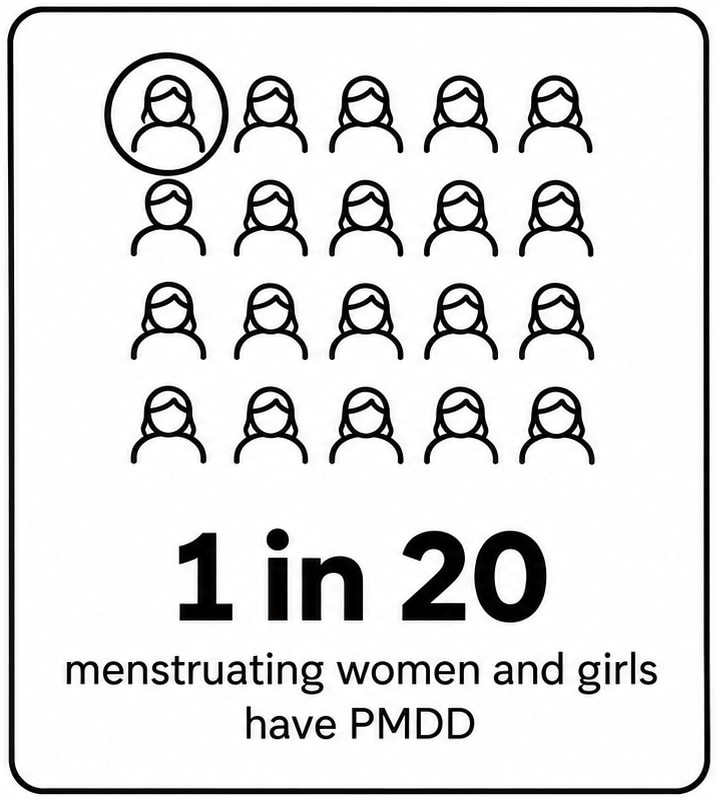
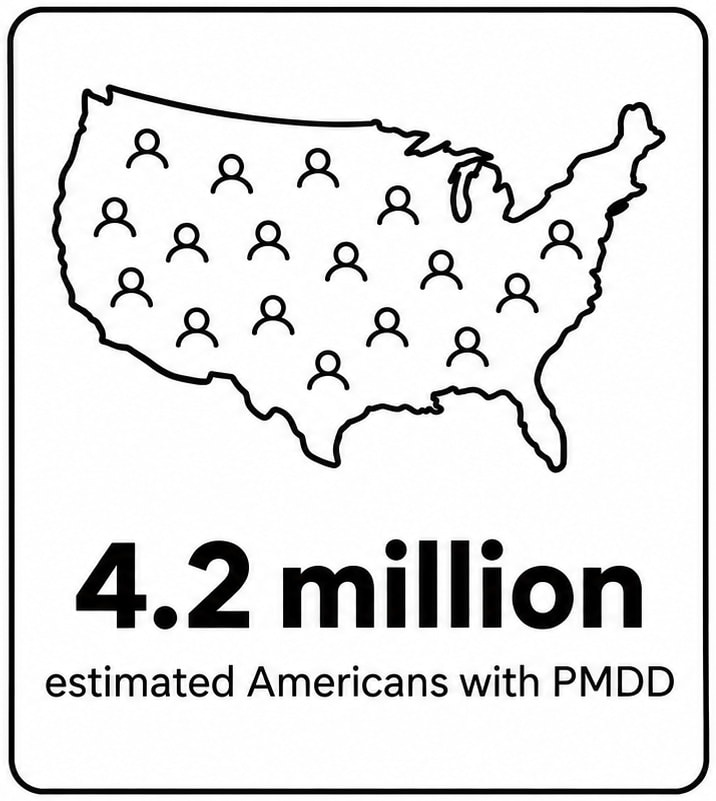
Suicide & Self Harm

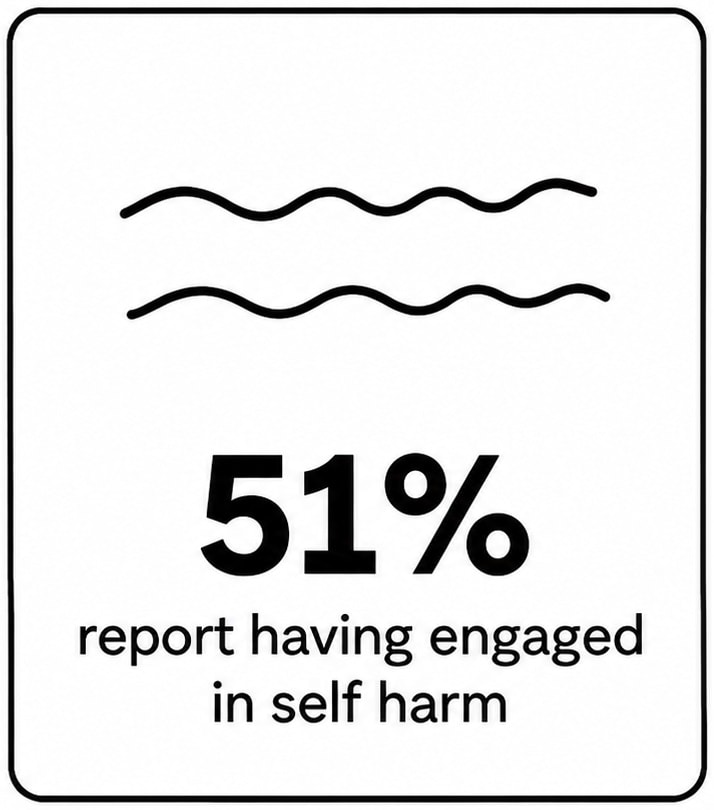
Clinician Education
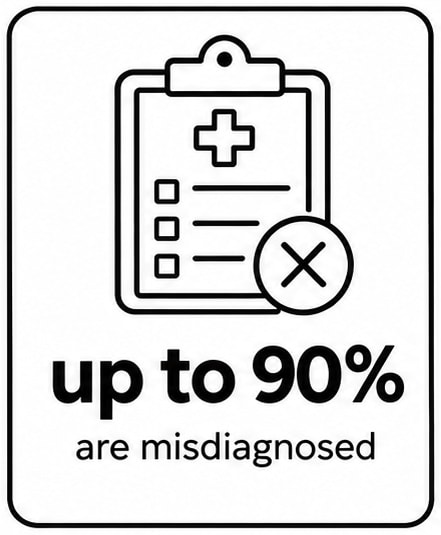
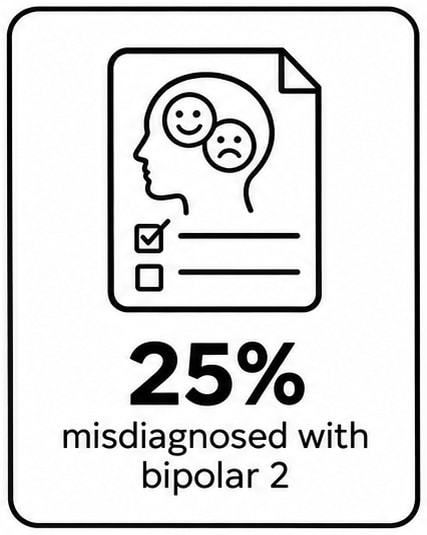
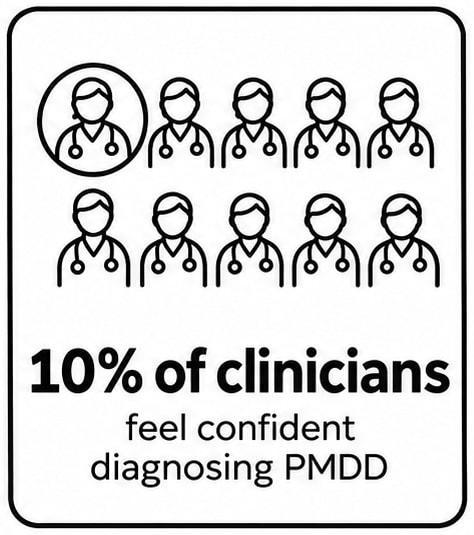
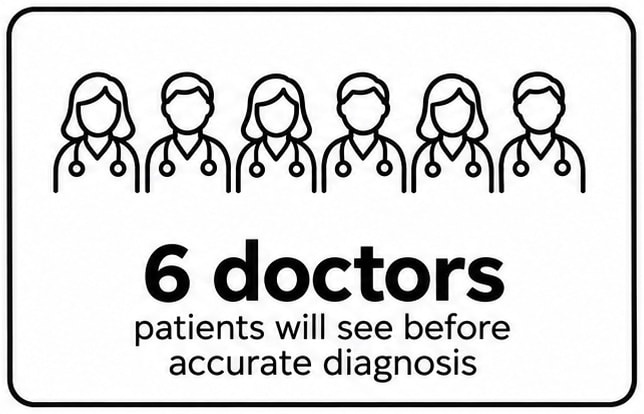
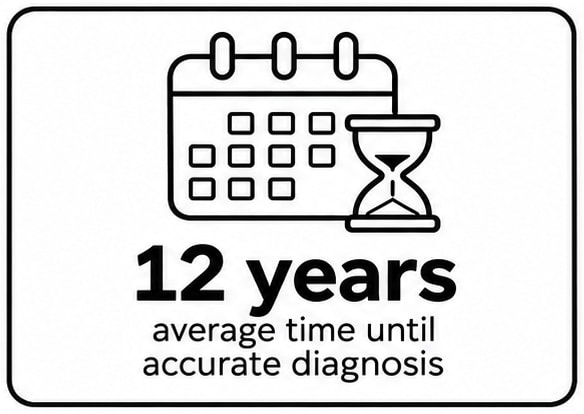
Impact

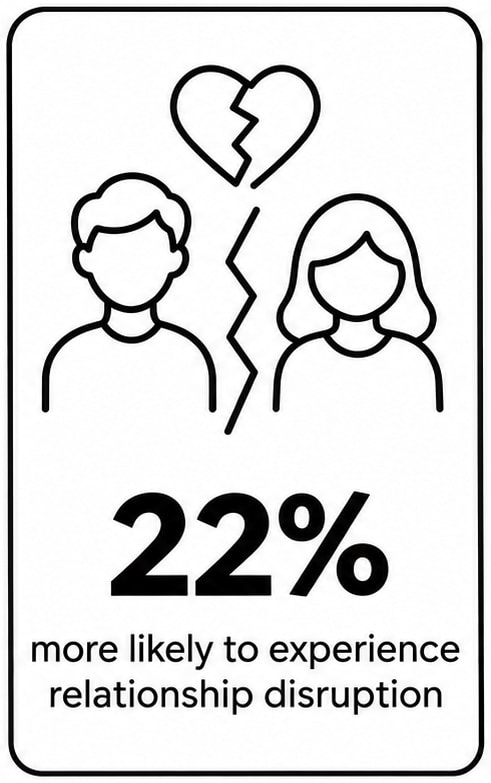

Sources: International Association for Premenstrual Disorders. "What Is PMDD?" and "Facts & Figures"; Eisenlohr-Moul TA, et al. "Prevalence of lifetime self-injurious thoughts and behaviors in a global sample of 599 patients." BMC Psychiatry. 2022; Yu et al. "Premenstrual disorders and risk of sick leave and unemployment" BMJ Mental Health. 2025; "Association between severe premenstrual disorders and change of romantic relationship." Journal of Affective Disorders. 2024/2025; Border G, Miller YD. "Patient Perspectives of Healthcare for Premenstrual Dysphoric Disorder in Australia." Health Services Insights. 2026.
Research & Education
The Science of PMDD
There is no single, established explanation for what causes Premenstrual Dysphoric Disorder (PMDD) or how it works. Scientists have promising theories, but the body of biological research is not large enough to provide definitive answers. More research is urgently needed to identify the mechanisms of PMDD, understand why people respond differently, and develop better treatments. Below are active scientific hypotheses, not a definitive account of what causes PMDD.
Hormones & Brain Chemistry
Hormone sensitivity
Most experts agree that individuals with PMDD have a heightened brain sensitivity to normal estrogen and progesterone shifts in the luteal phase.
ALLO and GABA-A
Progesterone produces allopregnanolone (ALLO), which usually promotes calm. Altered GABA-A receptor responses to ALLO may instead contribute to distress.
Other Biological Pathways
Estrogen and serotonin
Estrogen influences serotonin signaling and emotional regulation. Changes in this pathway may help explain cyclical depression, anxiety, and irritability.
Genetics and brain circuits
Inherited differences may influence hormone sensitivity. Scientists are also studying brain networks involved in memory, impulse control, and emotion.
Potential Contributing Factors
Immune and inflammatory signaling
Cycle-related immune changes may interact with hormone-sensitive brain systems. Elevated levels of inflammatory markers have been observed in some people with PMDD, which may interact with hormone sensitivity and worsen symptoms like fatigue and mood swings.
Stress, environment, and nutrition
Chronic stress, trauma, and lifestyle factors may affect symptom severity. Imbalances or deficiencies in nutrients such as magnesium, calcium, vitamin D, iron, and B vitamins have been linked to increased PMDD severity. These nutrients are essential for maintaining proper hormone balance, neurotransmitter function, and reducing inflammation.
What Scientists Still Need to Learn
Researchers do not yet know whether PMDD is one disorder with a common mechanism or several biological subtypes. Larger, long-term studies of hormone responses, brain activity, genetics, and molecular biomarkers are needed to explain individual differences and guide more targeted treatments. The PMDD Policy Council is working to pressure the US government to create dedicated research programs and fund critical clinical research.
Sources: Jerin Sultana et al., "Updated insight into the pathophysiology of premenstrual dysphoric disorder and therapeutic approaches," Journal of Affective Disorders, 2026. The PMDD Project, "What is PMDD?" 2026; PMDDInfo, "The biology of PMDD," 2026.